Coastal navigation
- • Light patterns gave mariners quick positional cues before modern electronic routing.
- • Harbor approaches depended on coordinated tower visibility across headlands and shoals.
About the archive
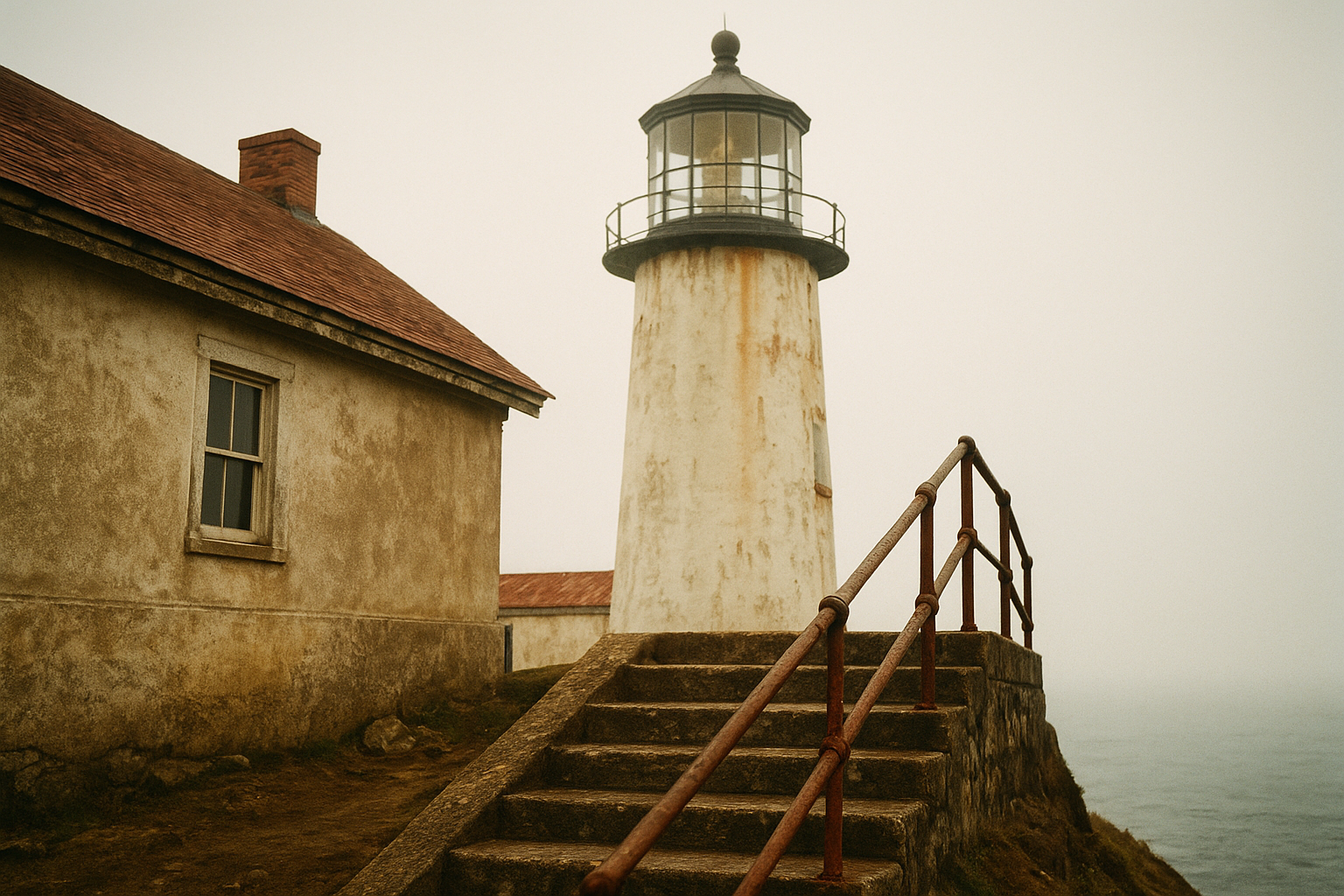
Along the northern coast, lighthouses formed a shared navigation language: one chain of lights guiding fishing crews, cargo vessels, and rescue boats through difficult waters. This archive traces that chain as working history—how towers, weather records, and keeper decisions still shape coastal memory and present-day preservation.
Northern Coast Reference
A concise sequence of milestones that frames how the coast’s beacon network developed, changed, and was preserved.
1798
Local councils approve fixed lights at the most hazardous inlets.
1820s
Permanent masonry structures improve visibility in winter storms.
1857
New optics extend range and establish distinct light signatures.
1890s
Family dwellings and signal rooms are added to isolated stations.
1935–1968
Manual lamp tending gives way to electric rotation systems.
1980s–today
Community trusts restore towers and document keeper archives.